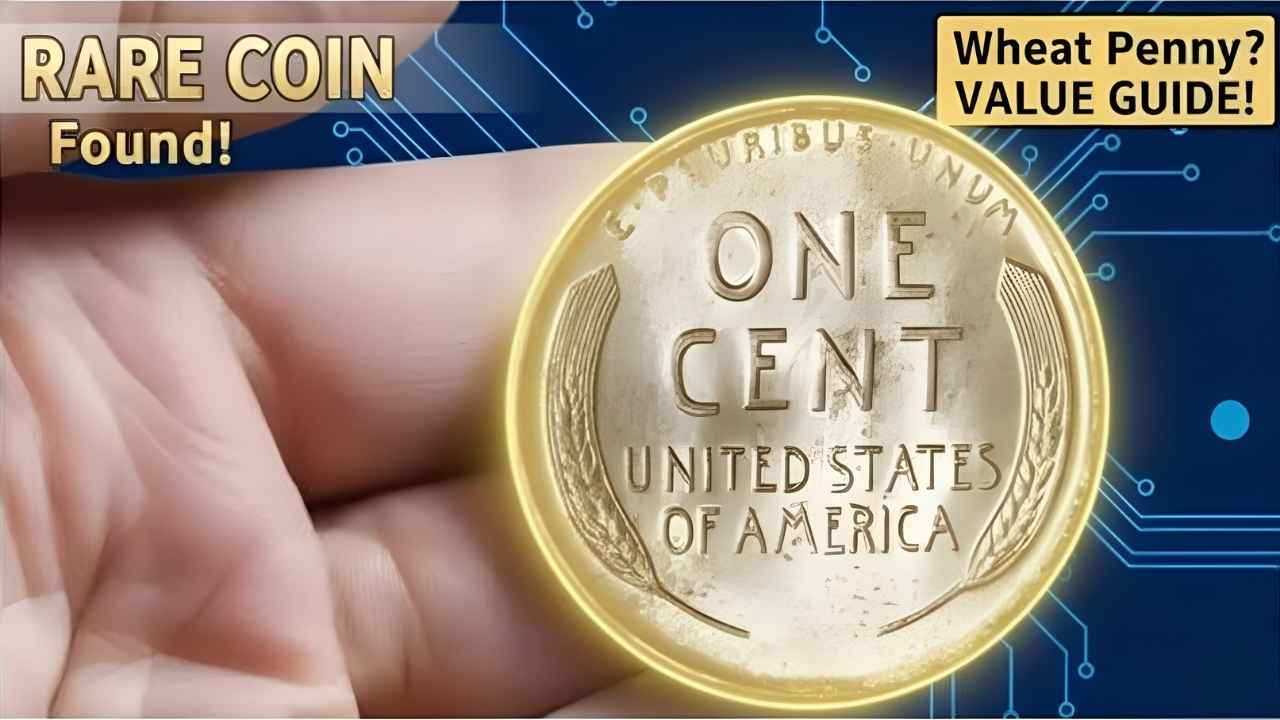
Wheat Penny Price Chart 1909–1958: The Wheat Penny, officially known as the Lincoln Wheat Cent, remains one of the most collected coins in American numismatic history. Minted from 1909 to 1958, it features the iconic portrait of Abraham Lincoln on the obverse and two stylized wheat stalks on the reverse.
For collectors and investors alike, understanding value trends by date, mint mark, and condition is essential. This complete guide provides a structured price overview and key factors that influence Wheat Penny values today.

Historical Overview
The Wheat Penny debuted in 1909 to commemorate the 100th anniversary of Abraham Lincoln’s birth. It was the first regular-issue U.S. coin to feature a real historical figure.
Key historical notes:
- Designed by Victor David Brenner
- Replaced the Indian Head Cent
- Produced at Philadelphia, Denver, and San Francisco mints
- Mint marks include no mark (Philadelphia), D (Denver), and S (San Francisco)
- Replaced by the Lincoln Memorial reverse in 1959
Over nearly 50 years of production, billions were struck — yet certain years remain rare and highly valuable.
Wheat Penny Value Factors
Several critical factors determine a coin’s worth:

- Date and mint mark
- Total mintage numbers
- Condition or grade
- Presence of errors or varieties
- Original red luster versus brown toning
- Certification by grading services
Coins are typically graded on the Sheldon Scale from Poor (P-1) to Mint State (MS-70).
Wheat Penny Price Chart (1909–1958)
Below is a general value range for circulated and uncirculated examples. Prices may vary depending on market demand and grading.

1909–1919 Early Key Dates
- 1909 (No Mint Mark): $3–$25 (MS: $75+)
- 1909-S: $100–$400 (MS: $1,000+)
- 1909-S VDB: $900–$2,500 (MS: $3,000+)
- 1914-D: $200–$800 (MS: $2,000+)
- 1911-S: $20–$120
These early issues carry the strongest collector premiums.
1920–1929 Scarce Middle Years
- 1922 No D (error variety): $500–$5,000+
- 1924-D: $30–$200
- 1926-S: $20–$150
- 1921: $2–$15
The 1922 No D is particularly valuable due to die wear eliminating the mint mark.

1930–1939 Great Depression Era
- 1931-S: $70–$200
- 1933: $2–$15
- 1934-D: $1–$10
- 1936 Doubled Die Obverse: $100–$1,000+
Mintages were lower during the early 1930s, increasing scarcity.
1940–1949 Wartime Issues
- 1943 Steel Cent: $10–$50 (MS: $100+)
- 1943 Copper (extremely rare error): $100,000+
- 1944 Steel (rare error): $75,000+
- 1948: $0.10–$1
During World War II, copper was needed for ammunition, prompting the 1943 steel composition.
1950–1958 Final Wheat Years
- 1955 Doubled Die Obverse: $1,000–$15,000
- 1958: $0.05–$0.50
- 1958 Doubled Die (rare): $50,000+
By the 1950s, most coins were heavily produced, but certain varieties command premium prices.
Condition and Grading Impact
Condition dramatically affects value:
- Good (G-4): Heavy wear, readable date
- Fine (F-12): Moderate wear
- Extremely Fine (XF-40): Light wear
- About Uncirculated (AU-50): Minimal circulation marks
- Mint State (MS-60 to MS-70): No wear
Red (RD) uncirculated examples are significantly more valuable than Brown (BN) coins.
Most Valuable Wheat Pennies
Among the highest-selling examples:
- 1909-S VDB
- 1914-D
- 1922 No D
- 1943 Copper
- 1955 Doubled Die
Some certified high-grade examples have sold for six figures at auction.
How to Identify Rare Wheat Pennies
To determine if you have a valuable coin:
- Check the date and mint mark carefully
- Use magnification to inspect for doubling
- Look for steel versus copper composition in 1943
- Weigh the coin (steel cents weigh less than copper)
- Compare with certified examples
Professional grading by services such as PCGS or NGC can confirm authenticity and maximize resale value.
Investment Outlook
Wheat Pennies remain popular due to:
- Historical significance
- Accessibility for beginner collectors
- Strong demand for key dates
- Low entry cost for common issues
- High upside potential for rare varieties
While most circulated coins are worth only a few cents to a few dollars, key dates and high-grade examples continue to appreciate steadily.
Final Verdict
The Wheat Penny series from 1909 to 1958 represents one of the most collectible and historically rich segments of American coinage. Whether you are building a complete date-and-mint collection or searching pocket change for hidden treasures, understanding this price chart provides a strong foundation for smart collecting decisions.
From affordable starter coins to six-figure rarities, the Wheat Penny market offers opportunities for every level of collector.